
Posted May 29, 2026 by Gerry Litchfield
For schools, sports halls and community facilities, the summer break is often the most desirable window to carry out floor refurbishment properly. With buildings temporarily quieter and access less restricted, it becomes far easier to complete sanding, repairs, refinishing, maintenance and court markings without disrupting daily use.
The challenge is not the work itself, but the timing. Summer holidays pass quickly, and without early planning, even straightforward projects can run into delays. Because term dates vary between schools and local authorities, facilities teams should always plan work aligned to break dates and term schedules.
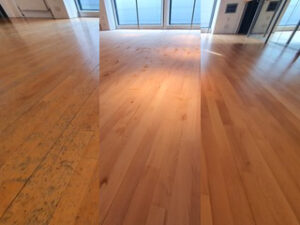
School floors take a lot of wear during the academic year. Corridors, classrooms, halls and sports spaces are used daily, often by hundreds of pupils, staff and visitors.
The summer break gives site managers and school leaders a clear opportunity to deal with floor renovations without working around lessons, assemblies, PE sessions or after-school clubs.
This period is especially useful for:
For busy schools in Dunstable and the surrounding areas, this timing can make the difference between a controlled project and a rushed job close to reopening.
A six-week window sounds generous, but schools rarely have the whole period available. Cleaning schedules, staff access, contractors, deliveries and reopening preparation all reduce the usable time.
Sanding and refinishing is suitable where wooden floors are worn, dull, scratched or marked, but still structurally sound. It can improve appearance, restore grip and add protection through fresh sealing.
This is commonly useful for:
You can explore this further through floor sanding and polishing services.
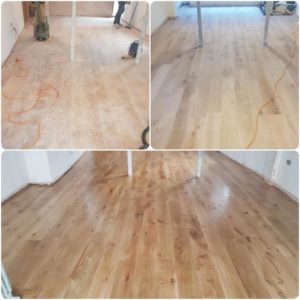
Floor repair should be addressed before small issues become larger safety or usability concerns. Loose boards or blocks, gaps, raised sections and damaged areas can worsen quickly once the building returns to full use.
Repairs may include:
The guide to common signs of floor damage is useful for spotting issues before booking work.
Summer is also a sensible time to refresh court markings. Faded or unclear lines can make sports lessons, clubs and shared use harder to manage.
Court marking work may include:
For schools and sports facilities, court marking services can help restore clear, accurate layouts before pupils return.
Floor Maintenance For High-Use Areas
Not every floor needs full refurbishment. In some cases, planned maintenance is enough to extend the life of the surface and keep it performing well.
This may include cleaning, polishing, resealing or targeted care depending on the condition of the floor. The advice on how often a commercial floor should be maintained is a helpful reference for facilities teams managing regular usage.
The best option depends on the condition of the floor, how the space is used and how long the school can keep the area out of action.
Floor repair is usually suitable when the issue affects specific areas rather than the whole floor. This could include loose boards, damaged sections, gaps or isolated surface damage.
Learn more about wooden floor repair options if the floor is generally usable but has problem areas.
Floor refurbishment is usually the right route when the floor structure is still suitable, but the surface looks tired, marked or heavily used.
This can include sanding, refinishing, polishing and resealing.
For wider restoration work, see wooden floor maintenance and restoration.
Floor replacements may be needed when the surface is too damaged, unstable or unsuitable for the way the space is now used.
In some cases, a new floor may be more practical than repeatedly repairing a failing surface. If replacement is being considered, new wood floor installation may be the better long-term route.
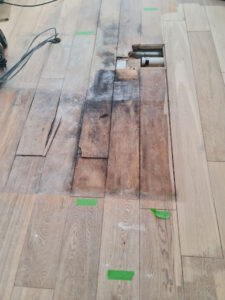
Schools often aim for the same holiday windows. That means availability can become limited quickly, especially for projects that need site visits, materials, drying times or phased access.
Early booking helps with:
The biggest mistake is leaving flooring work until the final weeks of the holidays. Even a straightforward project can become difficult if there is not enough time for preparation, completion and safe return to use.
Work backwards from the date staff and pupils return.
Facilities managers should allow time for:
It is also worth checking INSET days, lettings, summer clubs and community bookings before confirming the final schedule.
Before booking floor renovation work, gather the key details:
For additional care planning, the guide on how to maintain wooden floors can help schools protect refurbished surfaces after work is complete.
The summer break is valuable, but it can be wasted without clear scheduling.
Common mistakes include:
Good planning keeps the work controlled and reduces the risk of delays close to reopening.
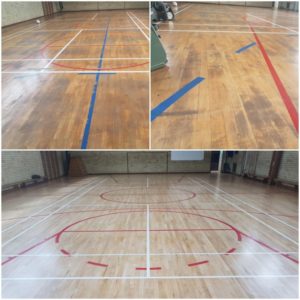
Before deciding what your school or facility needs, it can help to see examples of completed flooring projects. This gives a clearer idea of finishes, layouts, repairs and sports flooring outcomes.
Schools should book as early as possible once term dates, site access and reopening deadlines are confirmed. Early planning gives more flexibility and reduces the risk of rushed scheduling.
Yes, where timings allow. The floor may need sanding, sealing and curing before new court markings are applied, so the sequence must be planned carefully.
It depends on the condition of the floor. Localised damage may only need repair, while widespread structural issues may make replacement more practical.
Yes, but the schedule needs to be agreed in advance. Flooring work should usually be planned carefully around cleaning, decorating, electrical work and furniture movement.
Yes. Term and holiday dates vary, and academies or individual schools may set different dates. GOV.UK directs users to local council term dates, but schools should also confirm internal closure and reopening plans.
The summer break is one of the best opportunities for schools and community facilities to complete floor refurbishment, floor repair, maintenance and court marking with less disruption. The earlier the work is planned, the easier it is to protect reopening dates and avoid last-minute pressure.
For practical advice on school floor works, speak with Litchfield Floor Renovations through the contact page or call 01525 220286.
Speak With A Flooring Specialist
Check Availability In Your Area

With over 15 years’ experience in the industry, we work to the highest possible principles and deliver supreme standards of workmanship for our many customers. We work on any type of project, whether it’s a domestic floor that needs restoring or commercial floor sanding and refurbishing, we are sure to provide you with the best end result… read more >>
© 2020 LFR - Litchfield Floor Renovations.
