
Extending existing flooring requires more than simply adding new boards. Successful wood floor extensions depend on matching colour, grain, layout, age, and finish so the completed floor looks consistent across the entire space. At Litchfield Floor Renovations, wood floor extensions in Dunstable are carefully planned to help homeowners maintain continuity throughout renovations, knock-through projects, property remodels, and damaged floor replacements. From structural preparation through to sanding and finishing, every stage is focused on creating a seamless result that works naturally within the home.
PLAN YOUR FLOOR EXTENSION WITH CONFIDENCE
• Matching existing wooden floors and finishes
• Domestic and commercial flooring projects
• FSC sustainably sourced wood suppliers
• Suitable for remodels, knock-throughs, and damaged floors
• Full sanding and refinishing for seamless results
• Structural floor repairs completed before extension work
• Consistent colour and cosmetic matching
• Experienced flooring specialists serving Dunstable & Bedfordshire
Wooden floor extensions are commonly required when homes are remodelled, layouts are opened up, or damaged sections of flooring need replacing. In many Dunstable properties, extensions are completed during kitchen renovations, dining room knock-throughs, rear extensions, loft conversions, or when older flooring has deteriorated beyond isolated repair.
The challenge is rarely just fitting additional flooring. The real objective is ensuring the new section integrates naturally with the existing floor so differences in colour, ageing, board width, or finish do not stand out once the work is complete.
Litchfield Floor Renovations approach extending wood flooring as a complete process that includes preparation, matching, refinishing, and restoration where needed. This helps achieve a far more consistent appearance across the entire room or connected living space.
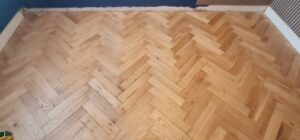
Matching existing wooden floors requires careful assessment before any new material is installed. Even where the same wood species is used, older flooring naturally changes over time through wear, sunlight exposure, cleaning products, and previous finishes.
To create seamless wood flooring, several factors are considered:
– Board width and thickness
– Wood species and grain pattern
– Existing floor movement and condition
– Colour variation and ageing
– Previous coatings or stains
– Direction and layout of boards
– Subfloor stability and preparation
Where necessary, repairs are completed before extension work begins to ensure the existing floor remains structurally stable. Once the extension is installed, the entire floor is typically sanded and refinished together to reduce visible differences between old and new areas.
This approach is especially important in open-plan layouts where flooring continuity becomes a major visual feature within the home.
For broader restoration and repair solutions, homeowners can also explore the wooden floor maintenance & restoration service.
Different properties require different approaches depending on the age of the flooring, layout changes, and overall condition of the existing surface.
Many older homes in Dunstable and Bedfordshire have separate dining rooms, kitchens, or reception rooms that are later combined into larger open-plan spaces. Extending wooden floors helps maintain continuity between these newly connected areas.
Rather than replacing the entire floor, extensions can often blend new sections into the original flooring while maintaining a more natural appearance throughout the property.
Rear extensions, loft conversions, and remodelled spaces frequently require additional flooring that connects with existing rooms. Matching wood floor colour and finish becomes especially important where natural light exposes inconsistencies across the floor.
Where sections of flooring have suffered water damage, movement, or structural deterioration, extending wooden floors can help restore the space without removing all original flooring unnecessarily.
Homeowners concerned about floor condition may also find useful guidance from this post on our Advice Centre: Understanding common signs of floor damage.
GET CLARITY ON THE BEST APPROACH FOR YOUR FLOORING
Wood floor extensions rarely happen in isolation. In many cases, achieving a consistent finish requires a combination of services depending on the condition of the existing flooring.
This may include:
– Wood floor repair before extension work
– Replacing damaged or unstable boards
– Floor sanding to remove previous coatings
– Wood floor refinishing to unify colour and appearance
– Floor restoration for older timber flooring
– Maintenance work to improve durability long-term
Combining these services helps prevent the extended section from looking noticeably newer or disconnected from surrounding areas.
Many homeowners also combine extension work with floor sanding & polishing, floor repairs or new wood floors where full replacement becomes more practical.
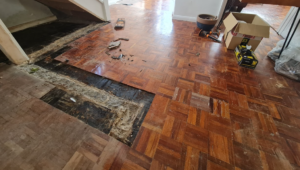
A poorly matched extension often becomes the first thing noticed within a room. Differences in tone, finish, height, or layout can make the floor feel inconsistent even after expensive renovation work elsewhere in the property.
A properly blended floor extension helps:
– Improve visual continuity between rooms
– Maintain the character of original flooring
– Reduce obvious transitions between old and new areas
– Preserve value within renovation projects
– Avoid unnecessary full floor replacement
– Create a cleaner, more cohesive finish throughout the home
This is particularly important with hardwood flooring, parquet flooring, oak flooring, and older timber floors where inconsistencies become more visible over time.
Litchfield Floor Renovations source wood suppliers from across the EU and only use FSC suppliers to ensure timber has been sustainably sourced.
Due to the natural ageing process of wood, many floor extensions are completed using reclaimed timber to achieve a closer match with the existing flooring. Litchfield Floor Renovations source reclaimed timber from trusted suppliers and stock a range of hard-to-find parquet blocks to help create seamless floor extensions.
Using reclaimed timber not only improves compatibility with older floors but also supports a more sustainable approach by giving quality materials a new purpose.
Additional guidance on caring for refinished hardwood flooring can also be found within our Advice Centre, where we give top tips for refinishing hardwood floors, information on how to clean wooden floors and more.
Choosing the right flooring specialists matters when extending existing flooring. The process requires attention to detail, careful preparation, and an understanding of how different wood types, finishes, and layouts behave over time.
Homeowners throughout Dunstable choose Litchfield Floor Renovations because the focus is placed on achieving practical, visually consistent, and long-lasting flooring results rather than quick surface-level fixes.
Key reasons clients choose LFR include:
– Careful matching of existing flooring
– Structural repairs completed before refinishing
– Seamless sanding and finishing processes
– Experience across domestic and commercial projects
– Sustainable wood sourcing practices
– Strong understanding of restoration and continuity work
READ CLIENT FEEDBACK & RESULTS
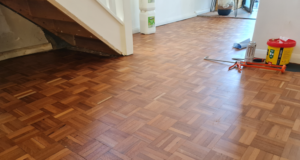
Litchfield Floor Renovations provide wood floor extensions across Dunstable and surrounding Bedfordshire areas, including nearby towns and residential properties requiring renovation, restoration, or flooring continuity work.
Additional local service areas include:
• Luton
• Milton Keynes
• Bedford
• St Albans
• Hemel Hempstead
Explore all coverage locations through the Areas We Work page.
Not always. Feasibility depends on the condition, structure, age, and stability of the existing flooring. Some floors require repairs or preparation before extension work can begin.
The goal is to create the closest possible visual match through careful sourcing, sanding, staining, and refinishing. This helps the completed floor appear significantly more consistent once refinished together.
In many projects, yes. Sanding and refinishing the entire floor helps blend old and new sections together more effectively.
Timescales vary depending on room size, repairs required, drying times, and finishing methods. Larger remodels or multiple connected rooms naturally take longer.
Yes, although matching patterns, direction, and ageing requires careful planning and specialist installation techniques.
Damaged areas are typically repaired before extension work begins to help maintain stability and consistency.
Poorly matched flooring extensions can make even high-quality renovations feel unfinished. Taking the right approach from the beginning helps ensure your flooring works naturally across the entire space while maintaining consistency, durability, and appearance long-term.
Whether the project involves a knock-through renovation, replacing damaged flooring, or extending existing wooden flooring into a new area, Litchfield Floor Renovations provide carefully matched solutions designed around the property itself.
GET A FREE FLOORING ASSESSMENT
CALL OUR FLOORING SPECIALISTS TODAY

With over 15 years’ experience in the industry, we work to the highest possible principles and deliver supreme standards of workmanship for our many customers. We work on any type of project, whether it’s a domestic floor that needs restoring or commercial floor sanding and refurbishing, we are sure to provide you with the best end result… read more >>
© 2020 LFR - Litchfield Floor Renovations.
